solder mask in Circuit card assembly manufacturers
The solder mask is a critical component in circuit card assembly (CCA) manufacturing, playing a significant role in the functionality, reliability, and overall performance of printed circuit boards (PCBs). This thin layer of polymer material, typically green, but available in various colors, is applied over the copper traces of the PCB to protect them from environmental damage and to facilitate the soldering process. Understanding the significance of solder mask highlights its essential contributions to the manufacturing and operation of electronic devices.
One of the primary functions of the solder mask is to protect the copper traces on a circuit card assembly manufacturers from oxidation and corrosion. Copper, being highly conductive, is an ideal material for creating the pathways that connect different components on a PCB. However, copper is also prone to oxidation when exposed to air, which can deteriorate its conductivity and reliability over time. The solder mask acts as a barrier, preventing exposure to air and moisture, thus preserving the integrity and longevity of the copper traces. This protection is crucial for ensuring the durability and consistent performance of electronic devices in various environmental conditions.
The solder mask also plays a vital role in preventing solder bridges during the assembly process. Solder bridges occur when excess solder creates an unintended connection between adjacent conductive traces or pads, leading to short circuits and potential device failure. By covering the areas between the copper traces and pads, the solder mask restricts the flow of solder, ensuring that it only adheres to the designated solder pads. This containment helps maintain clear separation between conductive elements, reducing the risk of shorts and enhancing the overall reliability of the circuit.
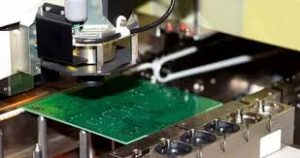
What is the significance of solder mask in Circuit card assembly manufacturers?
Furthermore, the solder mask improves the manufacturability of PCBs by providing a smooth and uniform surface. During the soldering process, components are placed on the PCB, and solder is applied to secure them in place. The solder mask ensures that the solder flows evenly and adheres properly to the designated areas, facilitating the creation of strong and reliable solder joints. This smooth surface also aids in automated assembly processes, such as pick-and-place machines, by ensuring consistent component placement and alignment.
In addition to its protective and functional roles, the solder mask enhances the visual inspection and aesthetic appeal of PCBs. The contrast between the solder mask and the exposed copper pads makes it easier for technicians and automated inspection systems to identify defects, misalignments, or other issues during quality control checks. This visual aid is particularly important for detecting and rectifying problems early in the manufacturing process, thus improving the overall yield and quality of the final product. Additionally, the use of different solder mask colors can help in identifying and differentiating between various layers or sections of a complex multi-layer PCB design.
The solder mask also contributes to the thermal management of PCBs. By covering most of the copper surface, it helps regulate the heat distribution across the board. While it acts as an insulator, preventing direct heat transfer from the environment to the copper traces, it also ensures that heat generated by the components is dissipated evenly. This balance is crucial for maintaining optimal operating temperatures and preventing localized hotspots, which can damage components or degrade their performance over time.
Finally, the solder mask can incorporate additional features such as markings and labels, which are important for assembly, testing, and maintenance. These markings can include component identifiers, reference designators, logos, and other vital information that aids in the correct assembly and servicing of the PCB. By integrating these features into the solder mask layer, manufacturers can streamline the production process and improve the ease of handling and maintaining the boards.
In conclusion, the solder mask is a vital element in circuit card assembly manufacturing, offering protection, preventing defects, improving manufacturability, enhancing inspection, aiding thermal management, and providing essential information. Its significance cannot be overstated, as it directly contributes to the quality, reliability, and functionality of PCBs, ensuring the successful operation of a wide range of electronic devices.