Businesses today operate in highly connected digital environments where cyber threats constantly evolve. Attackers search for weaknesses within networks, cloud systems, and applications to gain unauthorised access to sensitive information. A regular vulnerability assessment helps organisations discover these security gaps before they become major risks. By identifying weaknesses early, businesses can improve protection strategies, reduce exposure to cyberattacks, and strengthen overall cybersecurity posture. This proactive approach allows organisations to maintain safer operations while adapting to emerging threats and evolving security challenges effectively.
Detecting Weaknesses Across Multiple Systems
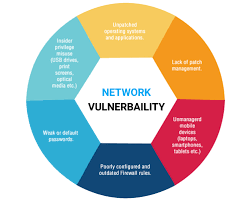
Modern IT infrastructures contain many components, including servers, databases, cloud platforms, and web applications. Each area may contain vulnerabilities that create opportunities for attackers. A structured vulnerability assessment scans these environments to identify outdated software, insecure configurations, missing patches, and exposed services. Automated scanning tools help security teams detect known vulnerabilities quickly, while manual verification confirms valid findings. This combined process improves accuracy and helps organisations focus on genuine threats rather than spending time investigating false positives or low-risk technical issues.
Improving Risk Visibility and Prioritisation
One of the most important benefits of vulnerability assessment is improved visibility into cybersecurity risks. Businesses often struggle to understand which weaknesses pose the greatest danger to operations and sensitive information. Security assessments generate detailed reports that classify vulnerabilities based on severity and potential impact. This prioritisation helps IT teams address critical issues first and allocate resources more effectively. By understanding where the highest risks exist, organisations can make informed security decisions and implement remediation strategies that provide stronger long-term protection against cyber threats.
Supporting Proactive Security Management
Reactive cybersecurity practices usually occur after a breach or security incident has already caused damage. In contrast, proactive security management focuses on preventing attacks before they happen. A consistent vulnerability assessment programme enables organisations to detect weaknesses early and apply security updates or configuration changes before attackers exploit them. This preventive strategy reduces downtime, financial losses, and reputational damage associated with cyber incidents. Businesses that regularly review their security posture are better prepared to respond to evolving threats and maintain stable digital operations across complex environments.
Difference Between Vulnerability Assessment and Penetration Testing
Although vulnerability assessments and penetration tests both improve cybersecurity, they serve different functions within security planning. A vulnerability assessment focuses on identifying and validating weaknesses within systems and applications without attempting full exploitation. Penetration testing goes further by simulating real-world attacks to evaluate how much damage an attacker could cause. Many organisations use assessments as a starting point for identifying security gaps before conducting more advanced testing. This layered approach improves visibility into vulnerabilities and supports stronger cybersecurity planning and defence strategies over time.
Enhancing Cloud and Application Security
Cloud infrastructure and web applications have become essential for modern business operations, but they also introduce new cybersecurity risks. Security teams must continuously monitor these environments to prevent attackers from exploiting hidden vulnerabilities. Providers such as swarmnetics.com help organisations assess cloud systems, network environments, and applications using automated analysis combined with expert review. This approach confirms valid findings, reduces unnecessary alerts, and creates prioritised remediation plans. As cyber threats become more sophisticated, regular vulnerability assessments remain essential for maintaining a resilient and effective cybersecurity posture across all business systems.