compatibility with printed circuit board assembly services
Ensuring compatibility with printed circuit board assembly services is crucial for achieving successful product development, timely delivery, and maintaining high quality in the final product. Compatibility refers to the alignment between a company’s design specifications, production requirements, and the capabilities of the PCB assembly service provider. To ensure compatibility, several key factors must be considered, including design considerations, communication, material selection, and manufacturing processes.
The first step in ensuring compatibility with printed circuit board assembly services is to ensure that the design meets the capabilities and requirements of the assembly process. PCB designs, particularly for complex boards such as multi-layer, high-density interconnect (HDI), or flexible PCBs, require careful planning to ensure that they are compatible with the assembly methods and equipment used by the service provider. During the design phase, it is essential to collaborate closely with the PCB assembly service to receive design-for-manufacturing (DFM) feedback. This can help identify potential issues, such as component placement difficulties, trace widths, or material limitations, that could affect the assembly process. By working with the assembly provider early on, companies can make adjustments to the design to ensure it is optimized for manufacturability and assembly.
Effective communication is another key factor in ensuring compatibility with printed circuit board assembly services. Clear and open lines of communication between the client and the assembly service are essential for conveying design specifications, production timelines, and quality expectations. It is important for both parties to discuss the requirements and expectations in detail, especially when dealing with complex designs or new technologies. Sharing design files in the appropriate formats (such as Gerber files or Bill of Materials) and providing detailed instructions for assembly can help avoid misunderstandings and ensure that the assembly service provider can meet the project’s needs. Regular updates and feedback throughout the process can also help identify any compatibility issues early on and allow for quick resolution.
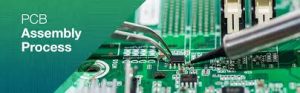
How to ensure compatibility with printed circuit board assembly services?
Another critical aspect of ensuring compatibility with printed circuit board assembly services is material selection. The choice of materials used in the design, such as laminates, solder paste, and components, must be compatible with the capabilities of the assembly service. Printed circuit board assembly services often have preferred materials that they work with regularly, and these materials may have specific requirements in terms of thermal characteristics, mechanical properties, and ease of handling during assembly. It is important to discuss material compatibility with the assembly provider to ensure that the selected components can be processed without issues. Additionally, the use of materials that align with industry standards ensures better reliability and performance of the final product.
In addition to material compatibility, the manufacturing processes employed by the printed circuit board assembly service must align with the needs of the project. Services vary in the types of assembly processes they specialize in, such as surface-mount technology (SMT), through-hole assembly, or hybrid processes. Understanding the capabilities of the assembly provider and selecting one that specializes in the required assembly technique is crucial to ensuring the project’s success. For example, if a project involves high-density components, it may be necessary to select a provider with advanced equipment for micro-assembly, such as high-precision pick-and-place machines or automated optical inspection (AOI) systems. Similarly, for specialized assemblies like flexible PCBs, the service provider must have the appropriate tools and expertise to handle these unique requirements.
To further ensure compatibility, it is important to test the design and assembly process before full-scale production begins. Prototyping and small-batch production runs allow for testing and evaluation of the board’s functionality, assembly quality, and manufacturability. During this phase, the client and assembly service can identify any issues, such as poor component placement, soldering defects, or electrical connectivity problems, and make the necessary adjustments before moving forward with mass production. Prototyping helps mitigate risks and ensures that the final product meets the desired performance standards.
Finally, quality control and testing are essential to ensuring compatibility with printed circuit board assembly services. A reliable assembly service provider will have stringent quality control processes in place, including automated inspections, functional testing, and traceability of each assembly stage. Ensuring that these quality measures align with your own company’s standards can help confirm that the final product will meet the required specifications and function as intended. Regular communication and feedback loops during the production process also help maintain a high level of quality throughout the assembly process.
In conclusion, ensuring compatibility with printed circuit board assembly services involves careful attention to design optimization, clear communication, material selection, process alignment, prototyping, and quality control. By working closely with the assembly provider, companies can ensure that their designs are suitable for manufacturing, that the assembly process runs smoothly, and that the final product meets all required performance and quality standards.