PCB Flex Support High-Speed Applications
High-speed applications require PCBs with precise signal transmission, high reliability, and low interference. Fortunately, flex technology is capable of supporting these requirements, even in complex designs. The key is to carefully consider the thermal, electrical, and mechanical factors that affect performance. Here are a few strategies to help you achieve these objectives:
One of the first things to do is optimize the thickness of your traces and insulators. Thicker traces are more resistant to bending, while thinner ones are more flexible. You can also use fillets to ensure that traces transition from wide to narrow in a smooth manner. Abrupt changes in width can cause stress points that could weaken the traces and potentially short them out.
The material choice for your pcb flex is another crucial factor to consider. Look for a material with a low dielectric constant and loss tangent to reduce signal attenuation and dispersal. You can find these materials in many different forms, from polyimide to FR-4. The thickness and type of insulation you choose should also be taken into account. The insulation should be durable and able to withstand the environmental conditions under which your flex PCB will operate.
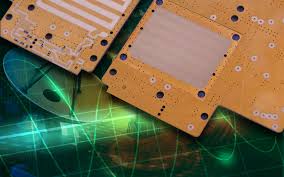
How Does PCB Flex Support High-Speed Applications?
The minimum bending radius of a flex PCB is defined by the manufacturer and must be adhered to in order to maintain the integrity of the copper layer. This must be determined early in the design process to avoid damage to the conductive traces and substrate layer. To help you keep within the bending limits, IPC-2223 provides design guidelines that can be used as a reference.
The addition of stiffeners is a good idea for flex circuits that are expected to bend extensively. This helps to prevent the layers from separating and can improve the overall reliability of your flex PCB. A stiffener is especially important for flex PCBs that include components on the flex section of the board.
Flexible printed circuit boards, commonly known as PCB flex, represent a breakthrough in electronics manufacturing. Unlike traditional rigid PCBs, flex PCBs are constructed using flexible materials like polyimide or polyester film, allowing them to bend, twist, and fold without compromising functionality. This unique adaptability makes them an essential component in modern devices where compactness, durability, and dynamic designs are crucial.
A flex circuit is exposed to a range of environmental conditions that can cause electromagnetic interference (EMI). To protect against these effects, you should shield sensitive signals with copper or aluminum and incorporate cross-hatched copper planes into your design. This will increase the control of impedance and improve signal transmission speed.
You should also minimize the number of holes in your flex circuits to reduce potential leakage points. If your flex circuit is exposed to air, you should use an insulator such as Kapton or FR-4. This will help to protect the circuit from corrosion and reduce stress on solder joints. If your flex circuit is exposed to liquids, you should use a waterproof material such as polyimide.