Flexible PCBs Contribute to Miniaturization
With the growing popularity of wearable electronics, reducing costs while maintaining quality has become a priority. The challenge is to balance cost optimization and performance standards, especially when the product has limited space to accommodate expensive circuits.
flexible pcb can provide a cost-effective solution to meet these requirements and are the perfect choice for flexible electronic devices. They are able to bend and adapt, saving space while still providing excellent electrical and thermal management. These attributes make them an ideal solution for a wide range of products, from smart watches to medical devices.
These flexible circuit boards also offer superior high frequency properties due to their short signal paths and thin dielectric materials. They are also durable and resist abrasions, vibrations, mechanical shocks and chemical damage. In addition, they can be manufactured in a variety of 2D shapes and outlines, and are lightweight, making them easy to handle and carry. They also reduce the need for external cables and connectors, which can add to the overall cost of a device.
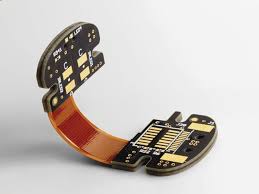
How Do Flexible PCBs Contribute to Miniaturization?
Achieving miniaturization with flexible PCBs requires careful planning and design considerations. The process starts with a computer-aided design (CAD) model, which is then translated into a manufacturing layout. The design process also includes the selection of suitable materials and construction methods. In some cases, the final flex PCB may be fabricated using a roll-to-roll process, which can lower unit costs. The assembly of the flex PCB also involves soldering, and special care is taken to prevent any solder contamination or damage.
During the production process, the flex PCBs undergo a final inspection to ensure that they are free of faults. This includes checking for things like contact points to ensure that they are properly placed and not exposed to any external sources of interference. These tests help the manufacturers to improve the quality of their flex circuit boards and ensure that they are ready for shipment.
As technology progresses, it is likely that flex PCBs will continue to evolve and offer even more benefits for electronic devices. For instance, new fabrication processes are being developed that can produce flex PCBs with varying degrees of flexibility. This will enable them to be used in more diverse applications and create new opportunities for designers.
In addition, ongoing research focuses on improving the electrical performance of flexible PCBs. The goal is to make them more capable of withstanding bending and flexing, while maintaining their excellent RF performance. In the future, it is possible that these technologies will enable the production of 3D-structured flex circuits, which could open doors for new types of wearable electronics and other advanced products. These advances could also improve the durability and reliability of flex PCBs for applications that require continuous functionality, such as medical devices and military/aerospace equipment. This could help to minimize the need for costly replacements and enhance consumer satisfaction.