flexible circuits facilitate 3D integration
The ability to integrate electronics into 3D objects makes it possible for designers to create new types of electronic products. But what makes this kind of integration possible? It is the interconnection technology used by flexible circuits that provides this capability. While it may seem like a new and innovative form of electronics, flexible circuits (also known as flexible printed circuits) have actually been in use-conceptually, if not technically, for more than a century based on a patent filed by Albert Hanson in 1898.
A flex circuit consists of layers of copper traces, adhesives and laminates that support components and provide flexibility. These layers can be separated by insulators or rigid materials. The layer stack-up determines how flexible a circuit will be, and is usually indicated by the number of copper traces, layers of insulators, adhesives, or polyimide material. The higher the number of layers, the more complex a circuit will be.
Typically, the layers of a flexible circuit are held together by an adhesive material that bonds the conductors to each other. The most common adhesives for flex circuits are epoxy and acrylic. These can be used alone or with other conductive adhesives to ensure proper electrical connections between conductors. Depending on the desired amount of flexing or folding, the layers can also be laminated together continuously or with openings to allow for the bending of the circuit.
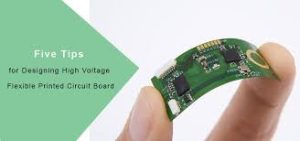
How do flexible circuits facilitate 3D integration in electronics?
In order to achieve the maximum level of flexing, a flex circuit is designed with specific tolerances for the width and spacing of the conductive traces. Narrower traces and smaller spacings can increase the density of the circuit, but they are also more likely to produce signal integrity issues or manufacturing defects. Therefore, it is important to work closely with the flex circuit manufacturer to ensure that the design meets the required specifications.
Another factor that affects the ability of a flex circuit to tolerate bending is its thickness. Thicker flex circuits are more durable, but they are not as flexible as thinner ones. In addition, the thickness of a flex circuit can also influence its electrical performance. A thin flex circuit is more susceptible to interference and electromagnetic radiation than a thicker one.
Some flex circuits are constructed with double access to selected features of the conductor pattern, such as a ring around a power supply or a conductive path through an LED. This type of flex circuit requires specialized processing to gain the access required to the conductor patterns, but it can provide greater flexibility for certain applications.
For example, a flex circuit with double access can be folded and twisted without damaging the conductors or the insulators. This allows the flex circuit to be molded into shapes that would be impossible with traditional wires and ribbon connectors, such as heads-up displays for aerospace piloting or minuscule devices for medical care.