Sourced For Assembling Printed Circuit Boards
Printed circuit boards (PCBs) are a vital component within many electronic devices that people use every day. Each PCB has a different function that allows the device to operate properly and efficiently. Throughout the manufacturing process, all aspects of the assembly must follow strict regulatory standards to ensure high-quality work and minimize potential risks. This includes adhering to industry standards for component sourcing, soldering techniques, and cleanliness requirements. It also involves implementing stringent quality control measures to ensure a successful assembly and the safe operation of the finished product.
When selecting components, it’s important to consider their power ratings and temperature capabilities. Components that have insufficient power ratings may overheat, causing the device to malfunction or break down completely. On the other hand, choosing components with insufficient voltage ratings may cause the circuit to be unstable and unreliable.
Another crucial factor is the size of a component. Using smaller components can result in more compact flex pcb fabrication designs that are ideal for portable or wearable electronics. However, smaller components can be harder to work with and might have lower power ratings or be more expensive than larger parts.
How Components Are Sourced For Assembling Printed Circuit Boards
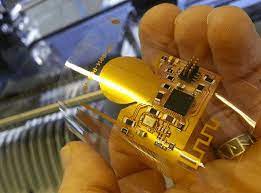
Once the final design of a PCB is settled, the next step is to make sure that all necessary tools and equipment are ready for assembly. This can include soldering irons, reflow ovens, pick-and-place machines, and inspection tools. It’s also important to determine whether any specialized components are required for the job and order them in advance.
One of the most common PCB assembly processes is Surface Mount Technology, or SMT. This method connects small, flat components like resistors and capacitors with metal tabs or balls on the bottom straight to copper pads on the PCB. It’s often done by automated machines. For more substantial parts, such as plugs, buttons, and power suppliers, a through hole process is used instead.
Before beginning the assembly process, it’s necessary to carefully plan out the arrangement of all the components on the board. This is a critical preparatory step because it ensures that all the connections are made correctly and that the circuit will operate as intended. The placement of these components can have a major impact on the function and performance of the finished product.
During the actual assembly process, all the parts are placed on the PCB using a pick-and-place machine. These machines are much more efficient than humans at placing components and can work faster. They’re also more accurate and consistent than humans, who are prone to eye strain and fatigue when working with small components.
Lastly, the spots where the components will be added to the board are coated with a material that makes it easier for them to be soldered on. This can be tin with lead, nickel, or gold, depending on the design of the circuit board. If the board needs to display logos, part numbers, or instructions, silk screening is applied on the outer surface. Once the circuit is complete, it must undergo functional testing to ensure that it meets all the required specifications.