Affect the Cost of a Printed Circuit Board Prototype
When designing and manufacturing a printed circuit board (PCB), the cost is an important factor. While it is possible to save money by producing PCBs in-house, the process requires sophisticated machinery, premium supplies, and trained employees. Choosing to work with a specialized PCB business may help businesses minimize the initial financial investment. In addition, working with a reputable PCB firm can reduce the risk of costly mistakes that may require expensive rework and reorders.
The size and number of layers of the printed circuit board prototype affects the cost, as larger boards are more complicated to manufacture. Additionally, the type of material used also impacts costs, with copper being the most expensive component to manufacture. High-quality components are also more expensive, and the design of the PCB can impact the overall price.
Economies of scale play an important role in the cost of a PCB prototype, with the more units ordered the lower the per-unit pricing. In addition, large production orders allow for significant negotiation power that can result in savings of 10% to 30% or more.
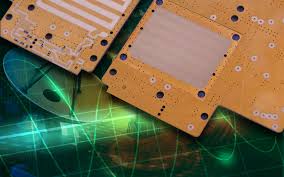
Factors That Affect the Cost of a Printed Circuit Board Prototype
Prototypes allow engineers to quickly spot and correct design flaws early in the development phase. This saves time and money in the long run. A design issue that carries all the way to full-scale production could require expensive rework to resolve, potentially wiping out the entire budget.
Functional prototypes are designed to closely mimic the finished product. They are more expensive than bare-board prototypes, but they provide a clear idea of how the final product will look and function. Functional prototypes can also be a great tool for marketing and educating potential customers, as they offer a tangible representation of the finished product.
A quality PCB prototype supplier should have a team of engineers on staff to assist with any mechanical or electrical issues that might arise during the prototyping process. This will ensure that any flaws are addressed as soon as possible to avoid expensive rework and reorders.
As the PCB industry continues to evolve, new technologies and materials are entering the market. Many of these innovations are designed to increase performance and efficiency while lowering costs. The PCB manufacturers that offer the most competitive pricing tend to be those with a strong understanding of these trends.
The most important factors that affect the cost of a PCB prototype are the size, shape, and number of layers. Single-sided and double-sided PCBs are the cheapest, followed by multi-layer PCBs. PCBs with unconventional shapes can become very expensive, as they are more difficult to manufacture, requiring unique materials and equipment. Moreover, different types of finishes and line widths/spacings can dramatically affect prices. For instance, a 4-layer FPC costs significantly more than a 6-layer one. A good PCB prototype manufacturer will be able to clearly communicate these differences to their clients and negotiate the best pricing possible.