First PCB Board Maker Design
The design phase of a PCB is an intricate process. It requires careful planning and consideration of many factors to ensure that the final product is functional, durable, and manufacturable. Incorrect or rushed designs can lead to a myriad of problems that could compromise quality, cost, and functionality.
The first step of a good design is determining the project materials and components. This step is crucial because it influences all other phases of the design. Selecting components and materials that are easily available on the market and maintainable can save you a lot of time, money, and headaches. It can also reduce the number of revisions required, allowing you to bring your prototype to life faster.
Another important factor to consider is the substrate material of your PCB. Different materials have different properties that may affect your PCB’s ability to function properly. Choosing the right substrate can improve the board’s capacity, durability, and reliability. It can also make it easier to install and service.
You should always clean your circuit board before and after populating it. This will prevent any lingering dust from causing an accidental short. You should use isopropyl alcohol and a fine abrasive to scrub the copper surface. Cleaning can help the solder adhere more effectively to the copper. It will also eliminate any oxidation that can cause shorts.
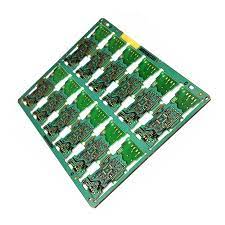
7 Must-Knows for Your First PCB Board Maker Design
When routing traces, it is important to leave sufficient space for them to pass through the circuit board. You should use a trace width calculator to ensure that you have the correct spacing for your components and traces. Avoid using auto-placement, which is often insufficient to account for the space needed by some components.
If you want your pcb board maker to be as effective and long-lasting as possible, it is critical to have the right tools for the job. A good set of electronics tweezers is invaluable for working with through-hole and surface-mount components. A component lead bending tool is also useful for making precise bends in the leads of surface-mount components.
A PCB must be able to handle the amount of current it needs to operate without overheating. This is why it is important to use an appropriate power supply for your project. The voltage of the power supply should be limited to the maximum operating voltage of the device. This will help protect your circuits from damage and extend their lifespan.
Once the bare board has been fabricated, it must be assembled with the necessary components. This can be a complicated task, especially when the components are located in tight spaces. A careful layout can minimize assembler errors by providing enough space between parts. For example, it is helpful to place connectors near the edge of the board for easier wire connections. This also helps to prevent the occurrence of slivers, which are small areas of solder mask or copper that develop during the etching process. These can ruin the effectiveness of the traces on the board and reduce its functionality.